
While most visitors to Portugal begin their trip in Lisbon, with short excursions to nearby towns, continue north to Porto and the Douro Valley, and sometimes add a visit to the sun drenched beaches of the Algarve in the south, Portugal has many more hidden gems to offer. Enchanted islands, pristine beaches, historical sites, and picturesque villages that only a small number of foreign tourists ever reach. Here are several suggestions for some of Portugal’s lesser known treasures.
Island: Sao Miguel
Let’s be honest. Reaching the Azores requires more than a small detour.
This archipelago is located in the Atlantic Ocean, about 1,500 kilometers from the coast of Portugal, but once you arrive, you will be glad you made the effort. One of the largest and most beautiful islands, and also the easiest to reach, is Sao Miguel.
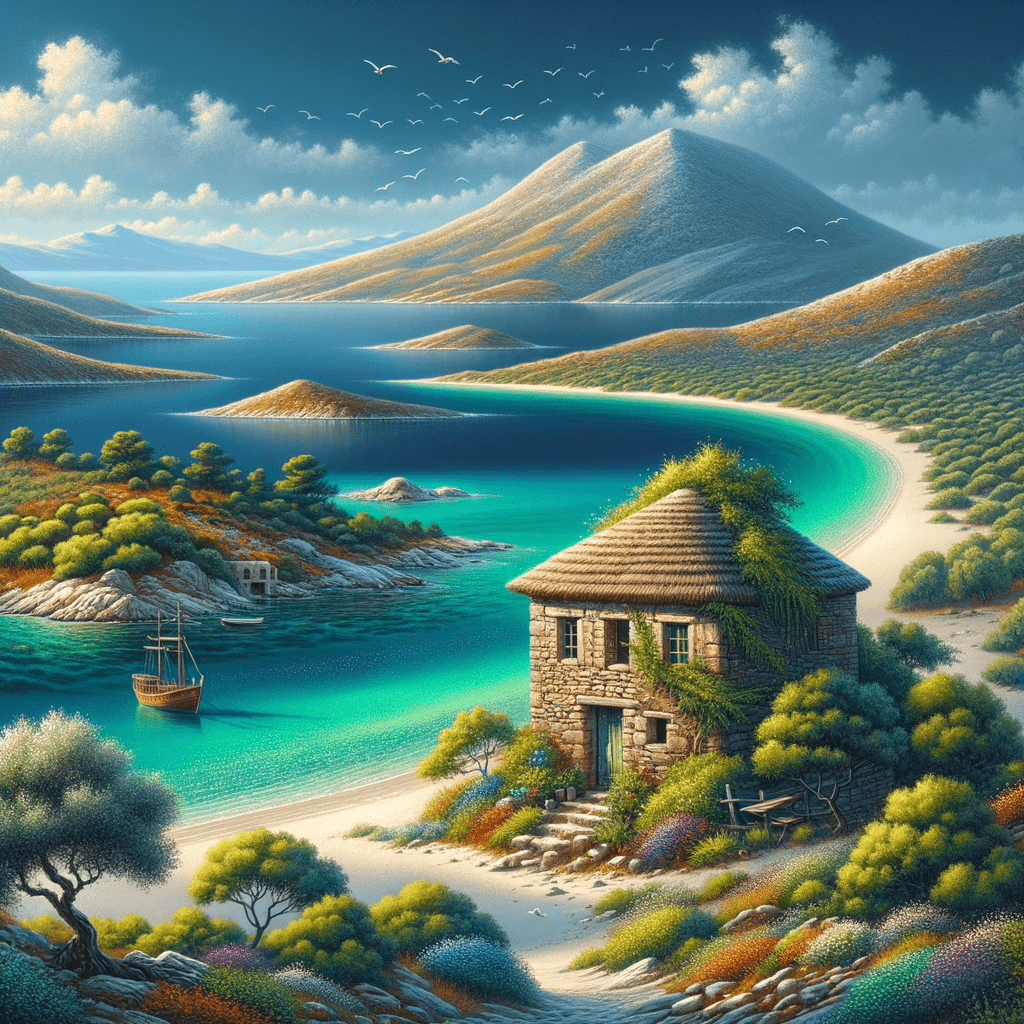
It is a stunning volcanic island, remarkably green, with dense forests, rolling fields, waterfalls, hot water pools, thermal springs, basalt cliffs that drop sharply into the sea, and its crown jewels, volcanic craters containing lakes.
One of the island’s most striking and frequently photographed attractions is Lagoa das Sete Cidades in the western part of the island, a volcanic crater featuring two lakes, one blue and one green, that together create a truly captivating view. Another notable spot is Lagoa das Furnas.
While its scenery is more subtle, the surrounding hot springs and bubbling mud pools more than make up for it.
Nature and garden enthusiasts will appreciate Terra Nostra Garden, known for its rich plant life, gentle streams, and naturally heated pools.
For a bit of city atmosphere, modest yet charming in an island shaped largely by nature, head to the capital, the picturesque town of Ponta Delgada.
Beach: Comporta
While many tourists flock to the beaches near Lisbon, only a few make their way to the town of Comporta, located about two hours away.
Those who do arrive tend to be a more discreet crowd.
What draws them here is a thirteen kilometer stretch of golden sand bordered by dunes, dense forests, and rice fields, stilted fishing huts, dolphins playing offshore, seafood restaurants, and a calm, authentic atmosphere, free of nightclubs and large tourist crowds.
Village: Piodao
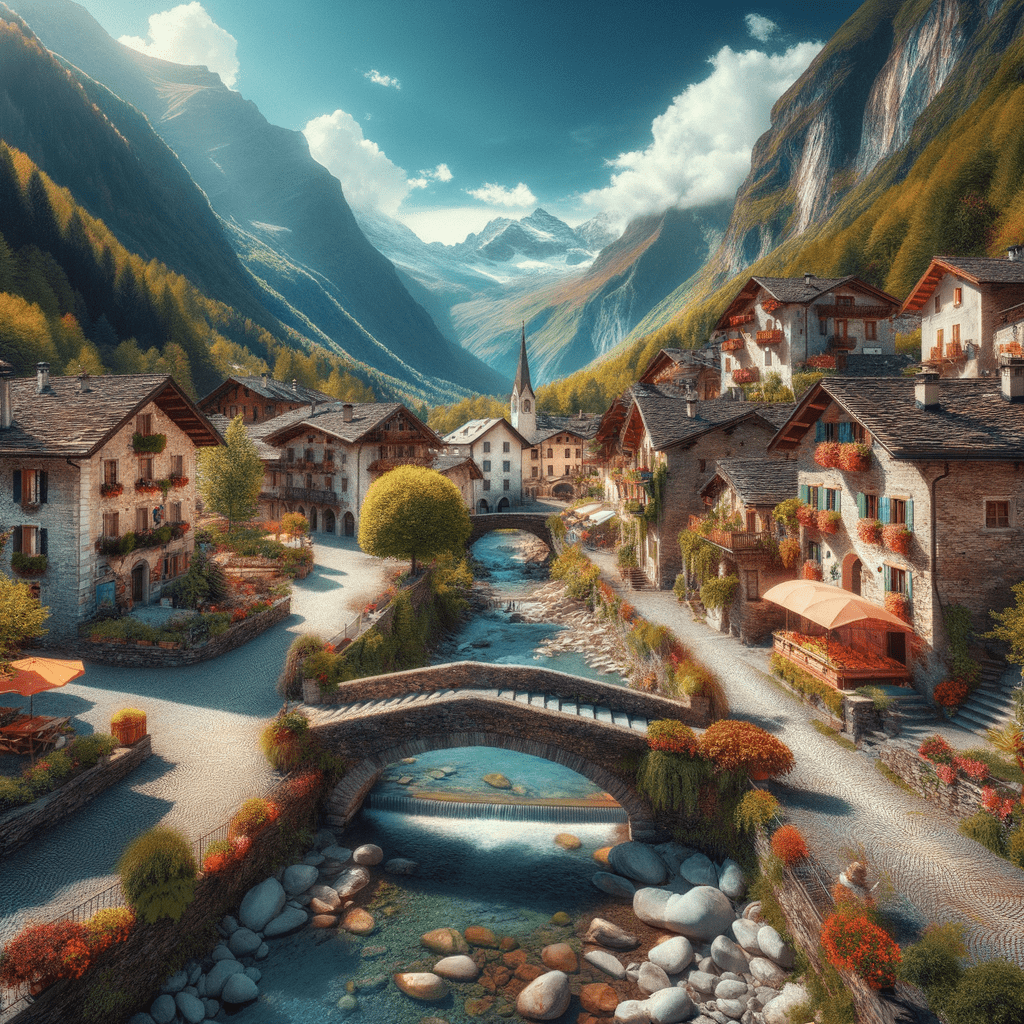
When you arrive at the historic village of Piodao, located in central Portugal near a mountainous natural park, it is hard to believe you have never heard of it before.
Fewer than two hundred residents live here, in houses clustered tightly on green terraces, creating a shape reminiscent of an amphitheater.
The village is surrounded by mountain scenery, springs, and grazing land, with narrow alleys winding between the homes.
One of the village’s defining features is its stone houses, which form a large expanse of earthy brown tones, broken only by the vivid blue of doors and window frames.
Village: Monsanto
Portugal is home to many picturesque villages, but few can rival the beauty and uniqueness of Monsanto. Perched atop a hill in eastern Portugal, near the border with Spain, it lies in a remote and isolated area.
Massive boulders are scattered throughout the village, and granite stone houses are built between, beneath, and alongside them, blending naturally into the landscape.
Some of these homes have been converted into guesthouses and restaurants.
At the highest point of the village stands a fifteenth century tower with bells and a clock facing the village.
From there, visitors can enjoy views of the valley and lower parts of the village, while the most breathtaking scenery is revealed from a nearby viewpoint overlooking the lush green valley.
Archaeological Site: Conimbriga
The archaeological site of Conimbriga, located in a rural area southwest of Coimbra, is one of the most impressive Roman sites in Europe, yet remains relatively unknown.
Surrounded by walls, the site includes several noble residences adorned with magnificent mosaic floors that have been remarkably preserved for over two thousand years.
Do not miss the House of the Fountains, featuring mosaics of birds, animals, and people surrounding a pool with flowing fountains.
Beyond that, visitors can explore the Roman forum, bathhouses, and beautifully maintained gardens.
Near the entrance is a small museum displaying artifacts discovered on site, including coins, jewelry, and household items.
National Park: Peneda Geres National Park
Portugal’s only national park is located in the northeast of the country.
This stunning park features forested valleys, granite peaks, rivers, lakes, and waterfalls.
Mountain slopes are covered in every shade of green, including many endemic species.
With some luck, visitors may spot deer, the symbol of the park, as well as small wild horses. The natural beauty invites a wide range of outdoor activities, including hiking, canoeing, rafting, and rock climbing.
Castle: Palmela Castle
About forty kilometers to the southeast lies the small village of Palmela, perched on a hilltop. Overlooking the village is an impressive fortified castle dating back to the twelfth century.
Originally conquered by the Moors in the eighth century, it later became a Portuguese military stronghold and was eventually converted into a monastery.
Today, parts of the castle are open to visitors, while other sections operate as a luxury hotel.
From the well preserved fortress, visitors are rewarded with breathtaking views of forested hills, vineyard covered slopes, and the Tagus and Sado rivers.
On clear days, Lisbon can also be seen in the distance.