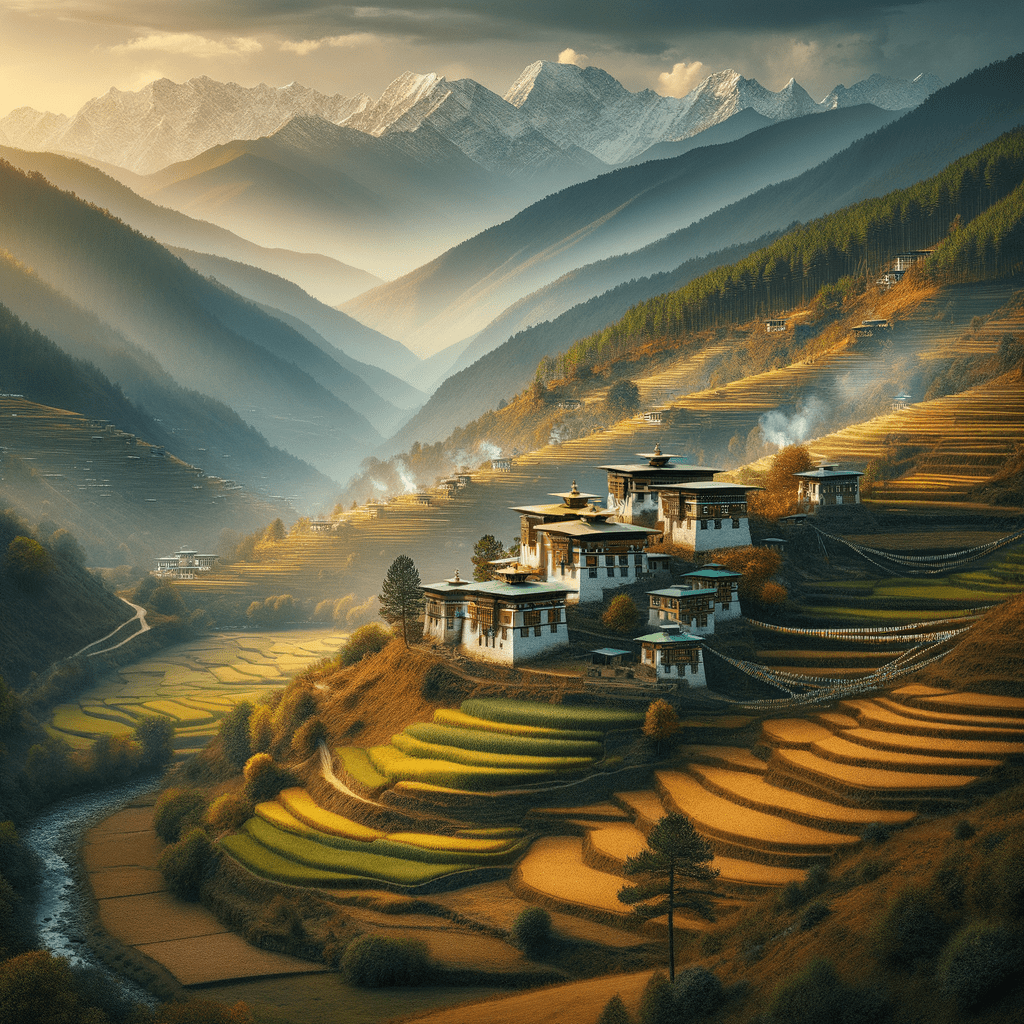

It is hard to believe that a land so wild, beautiful, and untouched still barely appears on most travelers’ maps.
Kyrgyzstan offers a rare combination of dramatic nature, living nomadic traditions, and warm hospitality preserved in surprising authenticity.
Those who embark on treks in the heavenly mountains walk along green grassy paths next to turquoise lakes, meet herders in traditional yurts, and for a moment feel as if they have traveled back in time.
Our backpacking team explored Kyrgyzstan’s trails and presents here a practical guide.
Kyrgyzstan is one of those countries whose name sounds distant and exotic and rightly so.
In the heart of Central Asia, surrounded by China, Kazakhstan, Tajikistan, and Uzbekistan, lies a mountainous, impressive, and surprising country.
It is a land of snowy peaks and dramatic landscapes, clear lakes, endless green pastures, and above all, a living and breathing nomadic culture that has survived the passage of time.
Despite its Soviet past and connections to neighboring republics, Kyrgyzstan has preserved a cultural uniqueness that is felt in every corner in the yurts spread across valleys, in local festivals, in warm hospitality, and in the traditional lifestyle of many residents.
In the capital and major locations, you will find English speakers, but most of the population does not speak English.
Prepare a translation app.
The most common public transportation is the marshrutka, which looks like an old minibus.
Sometimes there is an extra fee for backpacks.
Within the city, taxis are a good and inexpensive option, with apps like Yandex Go similar to Uber.
To travel quickly between cities, shared taxis from the central station are available.
General Background for Treks
We arrived in Kyrgyzstan with full camping equipment to allow spontaneity in choosing accommodations.
We were slightly at the end of the season and were not sure if yurt camps would be open along all routes.
The treks we did and describe here are Ala Kol Lake basic trek, North Sary Mogul (Alay Range) and South Sary Mogul (Pamir Range).
All can be done without a tent, as yurt camps are available along the routes if visiting in season.
It is necessary to bring a filter bottle or water purification tablets, as all treks are near streams and rivers.
The recommended season is June September.
Early in the season, some passes may still be snowy and impassable, and late in the season, it becomes very cold, with yurt camps starting to close near the end of August.
We experienced the northeast region, Karakol and Issyk-Kul Lake, as rainier with larger weather fluctuations compared to the southwest, Sary Mogul, where the weather is more stable and dry.
It is recommended to prepare for treks in the capital, Osh, and Karakol. CBT is an organization that promotes community-based tourism.
In the Sary Mogul and Karakol regions, CBT hostels provide information about routes, transportation, and additional guidance.
Bishkek Capital City
Bishkek is the capital city.
Most travelers arrive and organize themselves here, with access to all regions. There is a central junction with restaurants, a supermarket, bars, and main streets.
A recommended hostel is Koisha, offering private rooms and dorms, a large courtyard with seating, and a travel-friendly atmosphere.
Prices are relatively high compared to other places; booking by phone is recommended.
It is near the central marshrutka station and a large market where you can stock up on almonds, nuts, and dried fruits for treks. The main bus station is Western Bus Station.
Osh
Osh is a large city often used as a transit point. You can reach it by marshrutka, private taxi, or flight from Bishkek.
After a long shared taxi ride, we spent a night there.
We visited Brio Cafe for breakfast and coffee and explored a theme park with games, followed by a burger at Siera Burger.
The local market offers lunches, spices, and souvenirs.
To travel from Sary Mogul to Karakol, locals advised returning to Bishkek first, which would take 1.5-2 days. We instead took a 1.5-hour flight from Osh to Issyk-Kul Lake, then a three-hour marshrutka to Karakol.
Sary Mogul Southern and Northern Treks
The easiest access to the village is from Osh, using marshrutkas or private taxis. Sary Mogul is located between two large mountain ranges, with the Lenin Peak in the south bordering Tajikistan.
The village has a few hostels and guesthouses, with a small center containing several stores.
CBT guesthouses are small and intimate, with information and transportation services.
The Pamir Range trek starts at 3,000 meters above sea level.
We took a CBT transfer costing 2,500 som to reach Tulpar Lake at 3,500 meters.
The optimal trekking plan after acclimation is night one at Tulpar Lake, night two at Camp 1, and return on day three. Day treks of 9 km are also possible.
Alay Valley Trek
The northern trek can be done in 4-7 days, starting from Sary Mogul. Transfers allow the trek to be completed in 4 days.
Day one involves climbing to Sary Mogul Pass with turquoise lakes and snowy mountains.
Day two descends to Kosh Moynok Valley Yurt Camp. Day three climbs Sary Bel Pass and descends to Mazar Suu, with options for CBT homestay or a yurt.
Day four climbs to Jiptik Pass with views of the Pamir Range and descends 6.5 km to the pickup point.
Karakol and Ala Kol Lake Trek
Karakol is east of Issyk-Kul Lake under the Tien Shan Range, a good base for treks. Ala Kol Lake above Karakol Valley is a popular destination. Transfers from Bishkek are possible via marshrutka, taxi, or flight to Tamchy followed by a 3-4 hour drive.
Day 1: Jeti-Oguz Valley Teleti Pass Base Camp. A gentle climb in the forest along the Teleti Valley to the yurt camp.
Day 2: Teleti Pass Base Camp Karakol Valley Camp. Half day climb to Teleti Pass and sharp descent to Karakol Valley.
Day 3: Karakol Valley Camp Ala Kol Lake. Moderate 7 km climb to the lake, set camp, enjoy sunrise and sunset.
Day 4: Ala Kol Lake Altyn Arashan. 400 m ascent over 2.6 km to Ala Kol Pass, then descent through green valley to Altyn Arashan.
Issyk-Kul Lake is the second-largest mountain lake in the world after Lake Titicaca and resembles a sea.
For those recovering from trekking or enjoying sunny days, Tosor village near the lake offers a perfect resting spot with a Yurt Camp, half a minute walk from the shore.
Breakfast is included, dinner optional, with nearby supermarket access.